Wednesday, June 5, 2013

Japanese book on farming in Tamil

Japanese book on farming in Tamil

05th June 2013 09:13 AM
The theme of this year’s World Environment Day set by the UN Environment Programme (UNEP) is Think. Eat. Save.
According to the UNEP website, global food production occupies 25 per cent of all habitable land and is responsible for 70 per cent of fresh water consumption, 80 per cent of deforestation, and 30 per cent of greenhouse gas emissions. It is the largest single driver of biodiversity loss and land-use change.
Many environmentalists are of the opinion that this is the result of a mechanised way of farming. Toeing that line of thinking and advocating an organic way of life is organic farming expert Masanobu Fukuoka’s book The Road back to Nature.
The Japanese book’s Tamil translation, Iyarkaikku Thirumbum Paathai, was recently released by Iyalvaagai Pathippagam. The Tamil translation was done by noted health activist Dr V Jeevanandam.
Fukuoka, who himself was an agricultural scientist, had doubts on modern methods of agriculture. This made him engage in organic farming on his own land. This book narrates his experiences on his own farm and comprises lectures he had given all over the world.
“Agriculture is the roof of one’s culture. If agriculture turns out to be poisonous, then it would have effect on culture as well. When Japan’s traditional farming  blends with culture, we will be able to lead a happy life. This is my dream,”  writes Fukuoka in his book.
In one place, Fukuoka says, “It is shocking to hear that India does not practice Gandhian way of farming”. The author considers organic farming or natural way of farming as a part of the Gandhian way of farming.
Fukuoka also makes criticisms on the activities of the US in the field of agriculture and in agricultural universities. “One cannot separate nature into trees, stem, leaves, roots and so on. Nature comprises everything” he says. Speaking to City Express, Dr V Jeevanandam, the translator said, “Many think that agriculture is bringing about a change in nature. It’s not. We should do farming by joining hands with nature. Fukuoka says that we can do farming even without ploughing. He says we should develop the nutrients of soil or land. But in reality, we try only to maintain the existing nutrients. Through natural farming, we can develop the land’s nutrients.”
On the WED theme, he said, “If we follow the suggestions of Fukuoka we will be able to bring down greenhouse gas emissions”.

Tuesday, June 4, 2013

बिना -जुताई की खेती( पर्यावरण बचाने की योजना )

बिना -जुताई की खेती
पर्यावरण बचाने की योजना  


परिचय 

सामान्यत : फसलोत्पादन के लिए हरे  भरे पेड़ों को काट कर ,झाडयों और अनेक प्रकार की वनस्पतियों को हटा कर जमीन को खूब जोता और खोदा  जाता है  ऐसा करनेसे  हरियाली से भरी हमारी धरती रेगिस्थान में तब्दील हो रही है। मोसम में परिवर्तन हो रहा है बाढ़ और सूखा आम समस्या बन गए हैं।

जमीन को बार बार खोदने और जोतने से एक ओर जहाँ बरसात का पानी जमीन में नहीं समाता  है वह तेजी से बहता है और  अपने साथ खेत की उपजाऊ मिटटी को भी बहा कर ले जाता है। 

हमारे पूर्वज किसान इस समस्या से भली भांति परिचित थे  वे बिना जुताई करे खेती किया करते थे। अनेक किसान हलकी जुताई कर खेती करते थे और कमजोर होती जमीन को फिर से हरी भरी होने के लिए छोड़ देते थे। 

हरियाली और पशु पालन के साथ समन्वय रहने से जमीन की ताकत बढती रहती थी जिस से फसलों की ताकत भी बढती रहती थी। लोग रोग मुक्त बरसों जीते थे।   

हमारे इन खेतों को देखिये पिछले २७ सालों से अधिक समय से इन्हें जोता  नहीं गया है नाही  इनमे किसी भी प्रकार के गेर कुदरती खाद और दव़ा का उपयोग किया गया है। लगातार फसलों की उत्पादकता और गुणवत्ता में लाभ बढ़ते क्रम में प्राप्त हो रहा है। पूरे खेत सालभर हरे भरे हरियाली से भरे रहते हैं। ये बिना जुताई  की कुदरती खेती है।  जिस से एक और जहाँ साल भर कुदरती खान पान ,चारा  ईंधन आदि उपलब्ध रहता है वहीँ ये खेत  वर्षा के जल का संग्रह करते हैं और बरसात को करवाने में सहयोग करते हैं। जिस से हमारे आस पास का पर्यावरण संवर्धित हो रहा है। 

ठीक इस के विपरीत जुताई आधारित खेती को देखिये कोई भी किसान अनाज के खेतों में पेड़ नहीं रखता मुख्य फसल के आलावा एक एक पौधे को बड़ी बे रहमी से मार दिया जाता है। जुताई करने के कारण खेतों में कीचड हो जाती है बरसात का पानी जमीन में नहीं जाता है। खेत प्यासे रह जाते हैं। पानी तेजी से बहता है अपने साथ उपजाऊ मिट्टी को भी बहा कर ले जाता है। इस कारण  खेत भूखे रह जाते हैं। उनकी फसलें भी भूखी और कमजोर रहती हैं।  वे बीमार हो जाती है। 

अनेक प्रकार की खरपतवार  पनपने लगती है। किसान फसलों की बीमारी के इलाज के लिए अनेक प्रकार के जहर खेतों में छिड़कते हैं। जिस से बीमारियाँ और बढ़ जाती है। फसलें भी जहरीली हो जाती हैं। जमीन में रहने वाले तमाम जीवजन्तु ,कीड़े मकोड़े, पेड़ पौधे और सूख्स्म जीवाणु आदि जमीन  को  उर्वरक बनाते हैं वे सभी नस्ट हो जाते हैं। इस से ना  केवल हमारे खेत वरन तमाम हमारा पर्यावरण ख़राब  हो जाता है। बिना जुताई की खेती करने से ठीक इसके विपरीत हमारा पर्यावरण सुधरता जाता है। इस खेती की शुरुवाद करने का श्रेय जापान के सूख्स्म जीवाणु वैज्ञानिक स्व. श्री मस्नोबू फुकुओकाजी  को जाता है। उनके अनुभवों की किताब "दी वन स्ट्रा रिवोलुशन " अंग्रेजी में और "एक तिनके से आयी क्रांति " हिंदी में जग प्रसिद्ध हैं. इसके आलावा ये किताब  अब अनेक देशी एवं विदेशी भाषाओँ

में उपलब्ध है।   

बिना -जुताई की खेती की शुरुवाद 


प्रारंभ में  हमारे खेतों में परंपरागत देशी खेती की जाती थी। हलकी जुताई बेलों से की जाती थी ,गर्मियों में सभी कृषि के अवशेष गोबर,गोंजन आदि को खेतों में वापस डाल दिया जाता था। दलहन फसलों और अनाज की खेती के बीच समन्वय स्थापित कर नत्रजन की कमी को दूर किया जाता था। सिंचाई नहीं की जाती थी।
कुदरती बीजों का उपयोग होता था। कमजोर होते खेतों को छोड़ दिया जाता था उनमे घास पनप जाती थीं जिनमे पशुओं को चराया जाता था। इन चरागाहों में अपने आप अनेक बबूल जाती के पेड़ पैदा हो जाते थे थे जिनसे ईंधन मिल जाता था।   ये एक स्थाई खेती थी। किसान अपने लिए पैदा करता था और इसे अपने आस पास के लोगों के साथ बाँट कर बदले में अपनी जरुरत    को पूरा कर लिया करते थे। 
    उन दिनों भारत में हरित क्रांति का जोर  चल रहा था यह क्रांति खेती में रसायनों,मशीनो और भारी सिंचाई पर आधारित है।.                                                                   इस क्रांति में अधिक से अधिक उत्पादन देने का लोभ था हम भी इस लोभ में फंस गए। करीब  पंद्रह साल  हम इस में फंसे रहे। इस कारण हमारी जमीन मरुस्थल में तब्दील हो गयी।हमें  भारी  आर्थिक घाटा  होने लगा। हमारे सामने खेती को छोड़ने के सिवाय कोई उपाय नहीं बचा था। इसी दोरान हमें जापान के कुदरती किसान श्री मासानोबू फुकुओकाजी  की किताब "दी वन स्ट्रा रेवोलुशन पढने को मिली" इसने हमारी ऑंखें खोल दी। हमने तुरंत फुकुओकाजी की   "बिना जुताई  की कुदरती खेती" को अपना लिया।

हमारे सामने " दी वन स्ट्रा रेवोलुशन " के आलावा और कोई मार्ग दर्शन नहीं था। हम उसे बार बार पढ़ते और अपने स्तर  प्रयोग करते गए। सीधे बीजों को फेंकना ,मिट्टी की गोलियों में बीजों को बंद कर फेंकना ,स्ट्रा मल्चिंग आदि प्रयोग करने से हमें इस खेती को करने का काफी ज्ञान हासिल हो गया। हमारे खेतों में फसलें पकने लगीं।

कैसे करें  बिना जुताई  की खेती ?


Saturday, May 11, 2013

Climate change 'will make hundreds of millions homeless'

Climate change 'will make hundreds of millions homeless'

Carbon dioxide levels indicate rise in temperatures that could lead agriculture to fail on entire continents
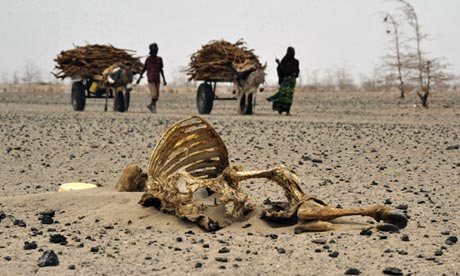
Climate change is amplifying risks from drought
Climate change is amplifying risks from drought, floods, storm and rising seas. Photograph: Simon Maina/AFP
It is increasingly likely that hundreds of millions of people will be displaced from their homelands in the near future as a result of global warming. That is the stark warning of economist and climate change expert Lord Stern following the news last week that concentrations of carbon dioxide in our atmosphere had reached a level of 400 parts per million (ppm).
Massive movements of people are likely to occur over the rest of the century because global temperatures are likely to rise to by up to 5C because carbon dioxide levels have risen unabated for 50 years, said Stern, who is head of the Grantham Research Institute on Climate Change.
"When temperatures rise to that level, we will have disrupted weather patterns and spreading deserts," he said. "Hundreds of millions of people will be forced to leave their homelands because their crops and animals will have died. The trouble will come when they try to migrate into new lands, however. That will bring them into armed conflict with people already living there. Nor will it be an occasional occurrence. It could become a permanent feature of life on Earth."
The news that atmospheric carbon dioxide levels have reached 400ppm has been seized on by experts because that level brings the world close to the point where it becomes inevitable that it will experience a catastrophic rise in temperatures. Scientists have warned for decades of the danger of allowing industrial outputs of carbon dioxide to rise unchecked.
Instead, these outputs have accelerated. In the 1960s, carbon dioxide levels rose at a rate of 0.7ppm a year. Today, they rise at 2.1ppm, as more nations become industrialised and increase outputs from their factories and power plants. The last time the Earth's atmosphere had 400ppm carbon dioxide, the Arctic was ice-free and sea levels were 40 metres higher.
The prospect of Earth returning to these climatic conditions is causing major alarm. As temperatures rise, deserts will spread and life-sustaining weather patterns such as the North Indian monsoon could be disrupted. Agriculture could fail on a continent-wide basis and hundreds of millions of people would be rendered homeless, triggering widespread conflict.
There are likely to be severe physical consequences for the planet. Rising temperatures will shrink polar ice caps – the Arctic's is now at its lowest since records began – and so reduce the amount of solar heat they reflect back into space. Similarly, thawing of the permafrost lands of Alaska, Canada and Russia could release even more greenhouse gases, including methane, and further intensify global warming.

Thursday, March 28, 2013

Foreigners are coming to learn Rishi-kheti (Natural farming)ऋषि खेती सीखने आ रहे विदेशी

ऋषि खेती सीखने आ रहे विदेशी
Foreigners are coming to learn Rishi-kheti (Natural farming)
    होशंगाबाद की ऋषि खेती ने अब दुनिया भर में अपनी पहचान बना ली है।
 Rishi kheti has made its identity in world.
इसी लिए न केवल  भारत के अनेकों प्रान्तों से वरन विदेशों से भी लोग इसे सीखने ऋषि खेती फार्म खोजनपुर में पधार रहे हैं।
Therefore not only from India but from abroad people coming to see Rishi kheti.
 ऋषि खेती रासायनिक जहरों और आयातित तेल के बिना की जाने वाली कुदरती खेती है।
 Rishi kheti  to be done by without poisonous chemicals and without imported oil.
यह खेती जुताई ,दवाई,निंदाई के बिना की जाती है।
 This is done by zero tillage, and without killing of weeds and insects.
 इस को करने से एक और जहाँ अस्सी प्रतिशत खर्च में कमी आती है वहीँ खाद्यों के स्वाद और रोग निवारण की छमता में अत्यधिक विकास होता है
 This farming consumes 80% less expenditure. Food is having anti disease property with very good taste.
 जिसको खाने मात्र से केंसर जैसे असाध्य रोग ठीक हो जाते हैं।
 Incurable disease as cancer be cured by natural food.

Navduniya Hindi news paper


आज कल ट्रेक्टरों की गहरी जुताई और रसायनों से की जाने वाली खेती से एक और जहाँ खेत उतरते जा रहे हैं. Farm lands are dying due to deep plowing and poisonous chemicals.   खाद्यानो में जहर घुल रहा है. Food is becoming poisonous. जिस से महिलाओं और बच्चों में कुपोषण की समस्या पनप रही है। Malnutrition is common in ladies and children केंसर की बीमारी आम होने लगी है। Disease of cancer is common.जबकि ऋषि खेती उत्पादों से इसके विपरीत परिणाम आ रहे हैं।Whereas rishi kheti  curing   ऋषि खेती पेड़ों के साथ की जाने वाली खेती है। Rishi kheti is done with trees hence harvesting air and water as well.  इस में पेड़ और अनाज एक दुसरे के पूरक रहते हैं। Trees and grain cops are friends.
दायें से मक्स और मिग फ़्रांस से पधारे हैं।
Max and Mig with Farm helpers.

जबकि ट्रेक्टरों से की जाने वाली जुताई में पेड़ दुश्मन माने जाते हैं Whereas trees are enemy in farming done by tillage and chemicals.जिस से मरुस्थल पनप रहे हैं। Are responsible for deserts, ग्लोबल वार्मिंग Global warming , ,मोसम परिवर्तन ,climate change,सूखा drougtsऔर and floodsबाढ़ आम हो गया है। ऋषि खेती वाटर हार्वेस्टिंग का काम करती है Water do not absorbed by farming based on tilling whereas Rishi kheti absorbed most of the rain water.जबकि जुताई वाली खेती से पानी जमीन में नहीं जाता है वह खेत की कुदरती  खाद को भी बहा कर ले जाता है।
ऋषि खेती भारतीय संस्कृति के अनुसार की जाने वाली खेती है। Rishi kheti is a Indian traditional way of farming.

राम जी बाबा होशंगाबाद
Ramji Baba 

ऋषि मुनि जंगलों में निवास करते हुए कुदरती खान पान से हजारों साल जीते हैं Our rishis were living long life in jungle.  आज भी उनके ज्ञान से हम बचे हैं। India is saved by the knowledge of rishis.ऋषि पंचमी  के पर्व में जुताई के बिना उपजे अनाज खाने की परंपरा है।In the festival of rishi panchami  many people eating natural food.होशंगाबाद के रामजी बाबा किसान थे हल चलने से होने वाली हिंसा ने उन्हें झकझोर दिया था इसी लिए वे ऋषि बन गए थे। उनकी याद में हर साल यहाँ मेला लगता है। Ramji baba of Hoshangabad was farmer but he stopped tilling due to realization of violence. Fair is held in his memory.
मक्स और मिग फ़्रांस में कृषि की पढ़ाई कर रहे हैं। Max and Mig are studying Agriculture in France are came in Titus Rishi kheti farm to learn.जब उन्हें ऋषि खेती के बारे में इंटरनेट से पता चला तो वे इसे सीखने यहाँ आ गए। इसे सीख कर वे अपने देश में इस के सहारे अच्छी नोकरी पा सकते हैं और खुद की खेती भी कर सकते हैं।They got information from Internet.

शालिनी एवं राजू टाइटस
Shalini and Raju Titus 

Tuesday, March 12, 2013

भारत में नदियों का प्रदुषण चरम सीमा पर है। POLLUTION OF RIVERS

भारत में नदियों का प्रदुषण चरम सीमा पर है।
          हमारे देश में बढ़ते शहरी करण और उधोगधन्दों के कारण नदियों का पानी अब प्रदुषण की सब सीमायें लाँघ चुका है।आज राज्य सभा में इस विषय पर बड़ी गरमा गरम बहस हुई जिसके अंत में माननीय पर्यावरण मंत्री महोदया जयंती नटराजन जी ने जवाब देते हुए बताया की ये सच है की अभी तक नदियों के प्रदुषण को रोकने के लिए जितने भी प्लान बनाये गए सब नाकाम हुए हैं।  प्रदुषण कम होने की बजाये बढ़ा है।
Pollution of the Indian rivers is beyond our imagination. This is informed by our environment minister Jaynthi Natrajan. She told that all plans to protect rivers from pollution are failed. The polution instead of reduction is increased.
उन्होंने बताया की जितने भी गंदे नाले देहली से निकलते है सब यमुना जी में गिरते हैं जहाँ यमुनाजी पूरी सूखी हैं। जिस पानी में लोग पवित्र स्नान करते हैं यमुना जी की पूजा करते हैं वह पानी दिल्ली वासियों के घरों से निकलने वाला गन्दा पानी है. उन्होंने बताया की कुल गन्दा पानी जो नदियों में मिलता है उसका अस्सी प्रतिशत पानी हमारे घरों से जाता है और बीस प्रतिशत पानी उधोगो से जाता है।
She informed that Yamuna river is dead the water in river is sewage.

उन्होंने यह भी बताया की गंदे पानी को साफ़ करने के लिए जो प्लांट लगाये हैं वे सब शो पीस हैं उनमे गंदे पानी को जोड़ा ही नहीं गया है जहाँ जोड़ा गया है वे काम नहीं कर रहे हैं उनमे या तो कर्मचारी नहीं हैं या बिजली की समस्या है। इस के अलावा एक बड़ी महत्वपूर्ण बात उन्होंने कही वह यह है की यदि पानी साफ़ हो जाता है तो भी वह पानी नदियों में छोड़ने लायक नहीं रहता है।
She also informed that all sewage treatment plants are showpiece. They are not connected properly nor are in working condition.

इसका ये मतलब है की आज तक हमने जो विकास किया है वह विनाश ही रहा है। सबसे बड़ी बात इस बहस में ये रही की इस में हरित क्रांति के श्री स्वामीनाथन जी भी मोजूद थे। इस बहस में कृषि रसायनों से होने वाले प्रदुषण का कहीं भी कोई जिक्र नहीं है।
The founder of green revolution Dr Swaminathan M.P. of Rajy sabha was also present in the debate.He could said any thing about the pollution of Agriculture. This shows that our development going in to revers direction.

कुल मिलाकर ये बहस बे नतीजा ही रही मंत्री महोदया एक ओर  करोड़ों रूपए का बजट नदियों को साफ करने के लिए रखे जाने की जानकारी दे रही थीं वही वे कह रही थीं की  इस बजट का जब तक सही उपयोग नहीं होगा जब तक हम लोग जाग्रत नहीं होते हमें स्वं अपने घरों से निकलने वाले पानी को गन्दा नहीं करना है यदि गन्दा होता है तो उसे व्यग्तिगत या सामूहिक तरीकों से साफ करने के लिए अभियान चलाना होगा।

She told that although Govt. of India giving lot of money for pollution control but is only be succeed when we are all realize and stop pollution in our houses. She explained that 80% pollution is domestic only 20 % is industrial.. 
विगत दिनों मुझे यमुना नगर में यमुना बचाओ अभियान के तहत कुदरती खेती के किसान के रूप में कुदरती खेती को सिखाने के उदेश्य से आमंत्रित किया गया था। जिसमे  अधिकतर किसान थे जो यमुनाजी के किनारे खेती कर रहे हैं।

Last time I was invited as expert in the conference of River friends in the Yamuna nager which was on River saving. I was invited as Natural farmer and mostly participants are farmers doing farming in the coastal area of the river Yamuna. 

हमारा विषय सूखती यमुना जी को बचाने पर आधारित था। हमारा मानना ये है की खेती करने के लिए की जा रही जमीन की जुताई और रसायनों के अंधाधुन्द उपयोग के कारण नदियों के सूखने और प्रदूषित होने की समस्या सब से अधिक है।
My subject was to protect river from drying. We believe that tilling in farming is responsible for drying and pollution.

खेती करने के लिए जब जमीन की जुताई की जाती है तब बरसात का पानी जमीन में अवशोषित नहीं होता है वह तेजी से बहता है अपने साथ जैविक खाद को भी बहा कर ले जाता है। इस लिए रसायनों का अंधाधुन्द उपयोग होता है। नदी सूख जाती है और उनमे रसायनों का जहर मिल जाता है।
When we till the land ,  rain water do not absorbed by soil it flow fast and washed organics of the soil.  soil could not produce without hazardous chemicals river become dry and polluted.

बिना जुताई की कुदरती खेती करने से बरसात का पानी जमीन के द्वारा सोख लिया जाता है जिस से नदियों को पानी मिलता है और रासायनिक प्रदुषण रुक जाता है। कुदरती आहार हमारे शरीर और दिमाग को स्वस्थ रखता है। ऐसी परिस्थति में हम अपनी मां समान नदियों की रक्षा कर सकते हैं।
No till natural farming allow rain water to absorbed by soil and is free from chemicals. Rivers remain intact with water and free from pollution. Natural food keep our self fit for protection of the rivers.
हमें अफ़सोस है हमारी पर्यावरण मंत्री और हरित क्रांति के प्रणेता स्वामीनाथन जी इस विषय पर कुछ भी नहीं बोले.
With sorrow I want say that our environment minister and Dr Swaminathan could not speak on this issue. They must read "One Straw Revolution".


जब फुकुओका जी यहाँ आये थे तो कह रहे थे की नदियों में पानी नहीं रहेगा तो बरसात भी नहीं होगी. आज अनेक साधू संत सरकार से नदियों को बचाने के लिए आग्रह कर रहे हैं उन्हें किसानो को कुदरती खेती करने के लिए कहना चाहिए। बिना जुताई की कुदरती खेती के बिना हम नदियों को नहीं बचा सकते है।


भारत की खाद्य सुरक्षा Food Security of India

भारत की खाद्य सुरक्षा
Food Security of India
महिलाओं में सत्तर प्रतिशत खून में कमी , पचास प्रतिशत बच्चों में कुपोषण ,हर दसवें घर में केंसर की दस्तक का खतरा ,अनेक नवजात बच्चों की मौत और अपंगता आदि अनेक समस्याएँ हैं और यदि ये आंकड़े जो समय समय पर सामाजिक संस्थाओं के द्वारा दिए जाते हैं सही हैं तो इसका मतलब है की हमें हमारे आहार के माध्यम से उचित मात्रा में पोषण नहीं मिल रहा है। यानि हम खाद्य असुरक्षित हैं।
महिलाओं में खून की कमी ANIMIYA

70% ladies suffering from anemia, 50% children suffering  from malnutrition, every house in ten is waiting for cancer, many newborn children are dying at the time of birth or born disable etc. If these figures which are reporting by many NGO's are true than it is sure that we are not getting proper nutrition through our food. We are not food secured.

कहने को तो यह कहा जाता है की हम इतना खाद्य पैदा कर लेते हैं जिस को रखने की जगह नहीं है ,पहले हम खाना आयात करते थे अब निर्यात करने लगे हैं। हर  साल बढ़ते क्रम में पैसा खेती किसानी में दिया जा रहा है जो  बजट का 60% से अधिक है। अनेक कृषि विश्व विद्यालय बनते जा रहे हैं जिनसे अनेक कृषि वैज्ञानिक तयार हो रहे है ,सिंचाई की व्यवस्था बढ़ायी जा रही है किसानो के हाथों में मनमाफिक खाद ,दवाएं ,बीज मुहया कराया जा रहा है। बिना ब्याज का कर्ज ,अनुदान और मुआवजों की कोई कमी नहीं है। बिजली और डीज़ल में सब्सिडी आदि अनेक सुविधाएँ किसानो को दी जा रही हैं ,फिर भी क्यों कुपोषण की समस्या है ?
No Room अनाज रखने की जगह नहीं है।

We say it is called that we are producing more than our stores , we were importing but are exporting  we are investing money in agriculture more than other commodity.loan without interest,subsidies,and compensation are easily available. Than why we are not getting nutritious food ?
ये एक गंभीर प्रश्न है की एक ओर  हम अपनी पूरी ताकत लगाकर  खाद्य पैदा कर रहे हैं और दूसरी ओर हमारी खाद्य सुरक्षा को खतरा दिन प्रति दिन बढ़ता जा रहा है। खेतों से खूब पैदा हो रहा है रखने की जगह नहीं है और हम भूखे हैं।
This is a very important question that we are producing more and more and dying in hunger.
इसका  असली कारण है की हमारे खेत जो हमारे लिए खाना उगाते हैं वे स्वं भूखे और कुपोषित हैं। उनमे पैदा होने वाली फसलें भी भूखी और कुपोषित रहती हैं इस लिए इन फसलों का सेवन करने से हम भी भूखे और कुपोषित हो जाते हैं।
Main reason of this is that our soil of farms which are producing food  are also hungry and
infertile.


इस समस्या का मूल कारण फसलो  को पैदा करने के लिए की जा रही जमीन की जुताई है. जमीन की जुताई करने से मिट्टी जो असली जैविक खाद है जिसमे अनेक प्रकार के पोषक तत्व रहते हैं बरसात में बह जाते हैं।
इन कुदरती पोषक तत्वों का निर्माण खेतों में रहने वाले असंख्य जीवजन्तु आदि करते हैं। जुताई करने से इन जीवजन्तु के घर मिट जाते हैं वे मर जाते हैं। इस लिए खेत भूखे और पोषकता विहीन हो जाते हैं।
Actually what happens when we till the land for cropping the living biodiversity which producing
nutrients for soil are dye and soil erode due to rain water. Soil remain weak.

जुताई किए बगेर बीजों को उगाने से बरसात के पानी का बहना रुक जाता है वह खेत में जहाँ का तहां सोख लिया जाता है इस से एक ओर जल संग्रह होता है वहीँ जैविक खाद का बहना पूरी तरह रुक जाता है। खेत कमजोर नहीं होते हैं उनकी ताकत हर मोसम बढती जाती है।
EARTHWORMS DYE DUE TO TILLING

Growing crops without tilling is having many advantages.  Rain water absorbed soil it recharge under ground waiter table and top soil which is full of organics saved from erosion. Many soil insects like earth worms etc. remain safe provide all nutrients.
HOUSES OF EARTHWORMS DESTROYS
हमारे खेतों की मिटटी के एक कण को जब हम सूक्ष्म दर्शी यंत्र से देखते हैं
तो उसमे अनेक सूक्ष्म जीवाणु औरअनेक केंचुओं ,चीटे ,चीटी आदि के अंडे दिखाई देते हैं। इसका मतलब मिट्टी जीवित है। जिसे जरा सा भी अस्त व्यस्त करने से वह मरने लगती है. जमीन की जुताई और रसायनों के उपयोग से मिट्टी की जैविकता पर गंभीर असर पड़ता है।
Soil is nothing but a group of microbes ,eggs of earthworms and many small insects. Little disturbance kill soil. we can see this through microscope.

 हरा  भूमि ढकाव जिसे हम खरपतवार कहते हैं इस जैवविविधता  को बचाने में महत्वपूर्ण भूमिका निभाता है।
ये जैव विविधता है जो मिट्टी के पोषक तत्वों का निर्माण करती है जिस से जमीन उपजाऊ रहती है।
Green ground cover crops generally known as weed is play very important role in the protection of this biodiversity which is responsible for all essential nutrients of the soil.

ये असली जैविक खेती और कुदरती खेती का मन्त्र है ,जमीन की जुताई, रसायनों के उपयोग से ये जैविकता मर जाती है। जिस से मिट्टी भी मर जाती है जिस में गेरकुद्रती तरीको से फ़सलें पैदा तो हो जाती हैं पर वे कुपोषित रहती है जिनमे आसानी से बीमारियाँ लग जाती हैं। रासायनिक दवाएं जरुरी हो जाती हैं जिस से हमारा भोजन जहरीला हो जाता है।
This is the formula of true organic farming and natural farming. Tilling and use of chemicals kills this biodiversity of the soil. Growing unnatural crops is possible but they become sick. Pestisides become essential makes our food poisonous.

यही कारण है की अनाज तो खूब पैदा हो रहा है रखने की जगह नहीं है और हम सब भूके मर रहे हैं। ये गेर कुदरती आहार है इसमें स्वाद और गुणवत्ता की भारी कमी है। हरित क्रांति से पूर्व जब किसान परंपरागत खेती किसानी करते थे कमजोर होते खेतों को पुन : उपजाऊ बनाने के लिए पड़ती छोड़ देते थे। जिस से खेत खरपतवारों से ढँक जाते थे जिनमे जैव विविधताएँ पनप जाती थीं और खेत पुन: ताकतवर हो जाते थे। हजारों साल ये खेती टिकाऊ रही जिसे आधुनिक वैज्ञानिक खेती के मात्र कुछ सालों ने नस्ट कर दिया। हम कुदरती खाद्यों के संकट में फंस गए है।
This is the reason we are hungry where our grain stores are full. This unnatural food which is without taste and nutrition. Before green revolution of India traditional farmers were keeping land
untitled when it was found poor. Land become fertile by just do nothing. Natural green cover makes it fertile. Thousands of years this method remain sustainable but only few years of green revolution spoiled precious land. We are caught in to the danger of the food security.


 कुछ देशों में किसान इस सच्चाई को समझ गए हैं। उन्होंने बिना जुताई जैविक खेती को शुरू कर दिया है। वे अपने खेतों में खरपतवारों को बचाते हैं जिस से खेतों में जैव विविधताएँ पनप जाती हैं। फिर वहीँ खरपतवारों को सुला कर बीजों की बुआइ कर दी जाती है। हरी खरपतवारों के ढकाव में पानी अपने आप उपर आता है सिंचाई की भी जरुरत नहीं रहती है।

                                                        Some farmers realized this truth the started No Till organic farming.
                                                    

NO TILL ORGANIC FARMING
They protect weed cover for soil health and after crimping weeds they sow seeds in cover.Due to green cover natural irrigation system works no need of artificial irrigation. This method gives bumper crop.


आज हम दावे के साथ कह सकते हैं की भारत की खाद्य सुरक्षा के लिए इस से अच्छी और कोई तकनीक उपलब्ध नहीं है।
Today we can confidently say that India's food security is not possible without no till natural farming.
 इस का कारण ये है की हम भी सत्ताईस सालों से बिना जुताई की कुदरती खेती कर रहे हैं जिस का अविष्कार जापान के विश्व विख्यात कृषि वैज्ञानिक और कुदरती खेती के किसान ने किया है।
Because we are practicing it since last 27 years this method is developed by Masnobu Fukuoka of Japan.

Raju Titus 
Natural farmer of India. 

Thursday, March 7, 2013

SUSTAINABLE AGRICULTURE


SUSTAINABLE AGRICULTURE
 सदा-बहार खेती

सदा-बहार खेती उस खेती को कहा जाता है जिसमे उत्पादन बिना किसी बाहरी मदद के, कुदरत की ताकत से  बढ़ते क्रम में मिलता है, जिसमे भूमि-छरण ,जल का छरण और मिट्टी की समस्त जैव विविधताओं का छरण बिलकुल नहीं होता है।
Sustainable agriculture is a way of crop production in which production remains in ascending order without any external help, and without soil, water and biodiversity erosion.


फसलोत्पादन के लिए की जाने वाली जमीन की जुताई एक हिंसात्मक उपाय है इस से मिट्टी मर जाती है. 
Tilling and plowing of soil is violent way of agriculture is responsible for the death of soil.

बारीक बखरी मिट्टी बरसात के पानी  से कीचड में तब्दील हो जाती जिस से बरसात का पानी जमीन में नहीं समाता है वह बह जाता है जिस से अपने साथ मिट्टी को भी बहा कर ले जाता है. इस से एक ओर भूमिगत जल  में कमी आती है वहीँ बरसात भी कम हो जाती है और मिट्टी कमजोर हो जाती है .
 Fine cultivated soil become mud in rain water do not allow rain water to absorbed by soil, water run fast erode top soil is cause for desertification.

हम पिछले २ ७ सालों से बिना जुताई की कुदरती खेती का अभ्यास कर रहे हैं और इसके के प्रचार प्रसार में संलग्न हैं .ये खेती जुताई के बिना की जाती है इस में किसी भी प्रकार की मानव निर्मित खाद और दवाई की जरुरत नहीं रहती है.
We are practicing no-till natural farming since last 27 years and involved its promotion. This way of farming is done by zero tillage there is no need of any man made fertilizer and killer in this way.


इस खेती में नींदा समझी जाने वाली वनस्पतियाँ बहुत काम की होती हैं जिन्हें हम भूमिधकाव की फसल कहते हैं . हम इन्हें मारते नहीं हैं वरन बचाते हैं . इनके नीचे अनेक जीवजन्तु ,कीड़े मकोड़े काम करते हैं जो जमीन को बहुत उपजाऊ, पानीदार और पोला बना देते हैं.
Weeds play very important role in this way of farming. Many useful insects, small animal lives underneath which makes soil perforated ,moist and fertile.

ये खेती करने का तरीका जितना मिट्टी के लिए लाभप्रद है उतना ही ये स्वास्थ के लिए भी लाभप्रद हैं क्योंकि इस से कुदरती आहार के अलावा कुदरती जल और हवा भी मिलती है।
 Natural way of farming is  better for soil and is better for health also, because it  not only produce natural food is also producing natural water and air.


जुताई करने से  मिट्टी का कार्बन , CO2 में परिवर्तित हो जाता है जो ग्रीनहाउस  गेस है जिस से धरती पर निरंतर गर्मी बढ़ रही है।
Tilling of land is responsible for Global warming due to CO2 emission. Carbon of soil converts in to greenhouse gas.

SHALINI AND RAJU TITUS
NATURAL FARMER INDIA